Small Repairs That Save Good Stuff from the Trash
A missing button, a stuck zipper, or a loose screw is the difference between "sold" and "trash pile." Most fixes take five minutes.
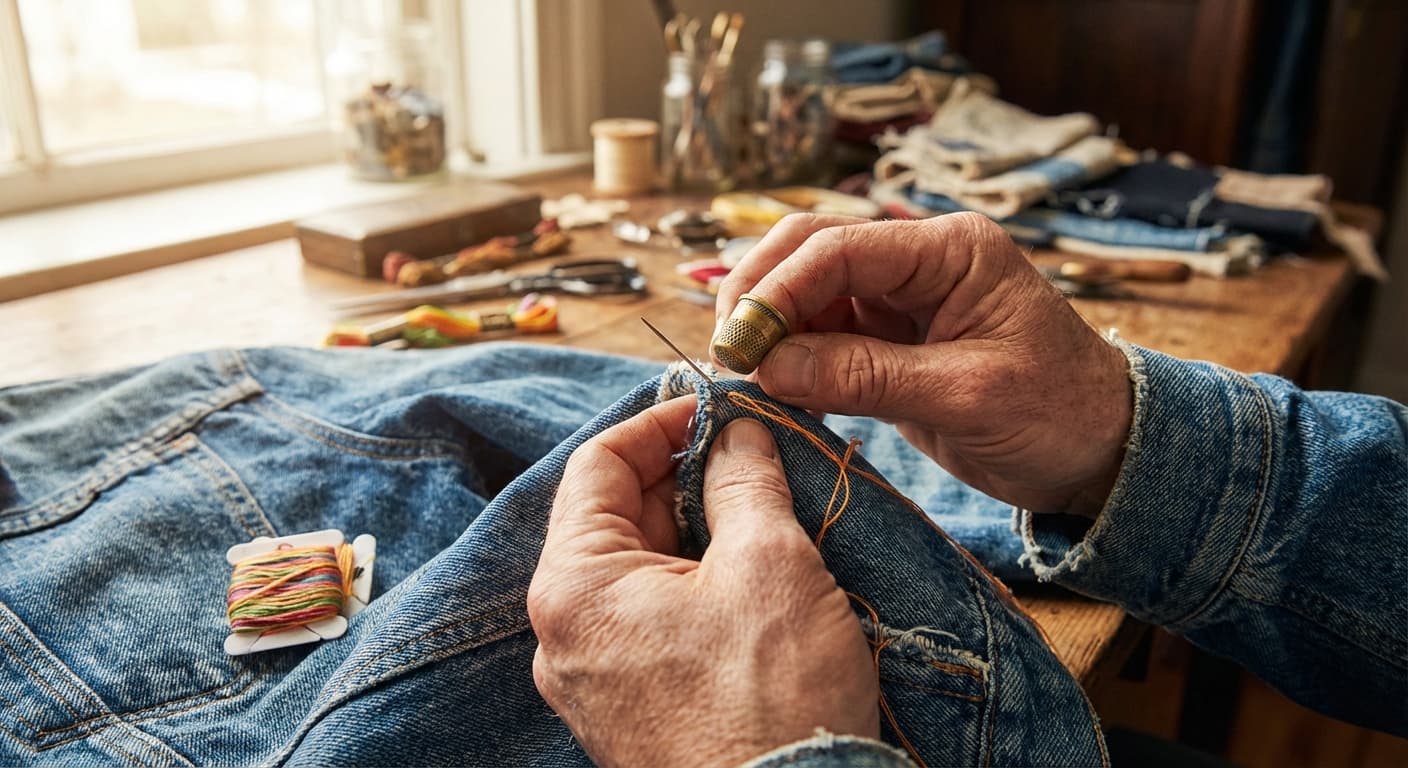
A perfectly good jacket with a missing button sits in a donation bag for six months, then goes to a landfill. A working blender with a cracked lid goes straight to the curb. A solid wood chair with one wobbly leg gets left on the sidewalk with a "free" sign that nobody takes.
These items aren't broken. They're five minutes away from being useful again. The repair doesn't need to be invisible or professional. It just needs to work.
The Sewing Kit Fixes
You don't need to know how to sew to handle the most common clothing repairs. You need a needle, thread, and ten minutes of patience.
Missing buttons. The number one reason wearable clothes get tossed. Replacement buttons cost nothing. Check the inside seam of the garment first. Many manufacturers sew a spare button there. If not, grab a close-enough match from any sewing kit. Thread the needle, pass it through the fabric and button holes six times, tie a knot. Done. YouTube has a dozen tutorials under two minutes if you've never done this.
Loose hems. Pants and skirts with hems coming undone look sloppy but are an easy fix. Hem tape (iron-on adhesive) costs $3 at a fabric store and requires zero sewing skill. Fold the hem back to where it should be, press the tape in place with an iron, and it holds. Five minutes.
Small tears and holes. Iron-on patches work for kids' clothes and casual items. For a cleaner fix on nicer pieces, a needle and matching thread closes a seam tear in under ten minutes. The stitch doesn't need to be neat. It needs to hold.
Stuck zippers. Rub a graphite pencil along both sides of the zipper teeth, then work the pull up and down a few times. This fixes most stuck zippers instantly. If the pull tab is missing, a small keyring or paper clip threaded through the slider works as a permanent replacement.
The Cleaning Saves
Some items get thrown away or priced at a dollar because they look dirty. Thirty minutes of cleaning can triple an item's value at a swap meet.
Yellowed plastics. Kids' toys, small appliances, and electronics housings yellow over time. A paste of baking soda and hydrogen peroxide, applied and left in sunlight for a few hours, reverses the yellowing on most plastics. The before-and-after is dramatic.
Stained fabrics. An Oxiclean soak for 4-6 hours handles most organic stains on clothes, linens, and upholstery. For grease stains, dish soap applied directly before washing works better than any specialty product. The key: treat stains before you decide something is ruined, not after.
Musty smells. The reason a lot of garage-sale and storage-unit items get skipped. Baking soda absorbs odors from fabrics, books, and containers. For clothes, a cup of white vinegar in the wash cycle eliminates mustiness that detergent alone won't touch. For books, seal them in a bag with baking soda for 48 hours.
Scuffed leather and shoes. A damp cloth and a small amount of olive oil restores dried-out leather. Shoe polish covers scuffs. Magic erasers clean white rubber soles. A pair of shoes that looked ready for the bin can look presentable in fifteen minutes.
The Tool Box Fixes
Furniture and household items fail in predictable ways. Most fixes use tools you already own.
Wobbly chairs and tables. Usually a loose joint. Flip it over, find the wobbly leg, and tighten the bolt or screw. If the hole is stripped, pull the screw out, push a wooden toothpick in with wood glue, let it dry, and re-drive the screw. This fix has saved more furniture from the curb than any other.
Sticky drawers. Rub a candle or bar of soap along the drawer slides. The wax acts as a lubricant. Takes thirty seconds and makes the difference between "this dresser is junk" and "this dresser works fine."
Scratched wood surfaces. A walnut rubbed along a scratch fills and disguises it on most wood tones. For deeper scratches, wood filler putty and a matching stain marker ($5 total) make the repair nearly invisible. Furniture with surface scratches is structurally fine. It just needs cosmetic help.
Loose handles and knobs. Cabinet pulls, drawer handles, pot lids. A screwdriver and thirty seconds. Replace missing knobs with inexpensive hardware store options ($1-2 each) and suddenly a piece looks intentional instead of neglected.
The Electronics Check
Electronics are the trickiest category because the line between "fixable" and "e-waste" is thin.
Dead batteries. The most common reason electronics get tossed. Remote controls, wireless keyboards, toys, flashlights. Replace the batteries before you decide something is broken. Check for corroded terminals too. White vinegar on a cotton swab cleans corrosion, and the device often works fine after.
Dirty connections. USB ports, headphone jacks, and charging ports collect lint and dust. A toothpick or compressed air clears them out. "My phone won't charge" is a lint problem more often than a hardware problem.
Tangled or frayed cords. Electrical tape or heat-shrink tubing repairs minor cord fraying. For appliances with detachable power cords, a replacement cord costs $5-10 and turns a "broken" appliance into a working one.
Don't try to repair anything with a damaged power supply, cracked circuit board, or burnt smell. That's genuine e-waste. Recycle it properly.
Repair as Swap Meet Prep
Every item you fix is an item you can sell or trade instead of throwing away. A jacket with its button reattached is a $5-8 sale. A cleaned-up toy is $3-5. A chair with its wobble fixed is $15-25.
If you're organizing an event, consider setting up a repair station at the swap meet itself. A folding table with basic supplies: super glue, a sewing kit, a screwdriver, and some cleaning wipes. Sellers fix items on the spot, buyers leave with better stuff, and fewer things end up in the unsold pile that nobody wants to deal with.
The stuff that ends up in landfills isn't always broken. A lot of it just needed five minutes and a screwdriver.